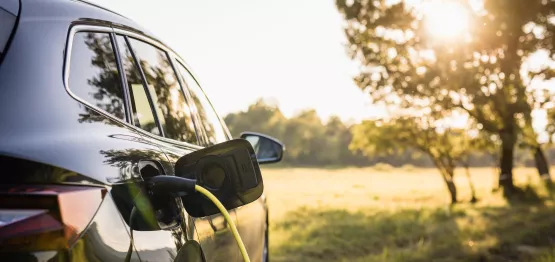
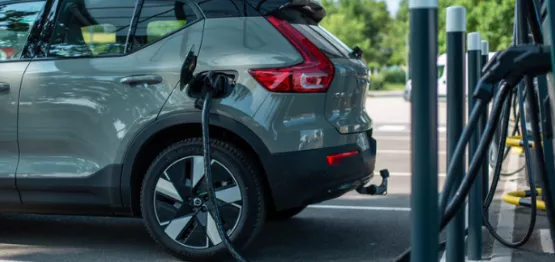
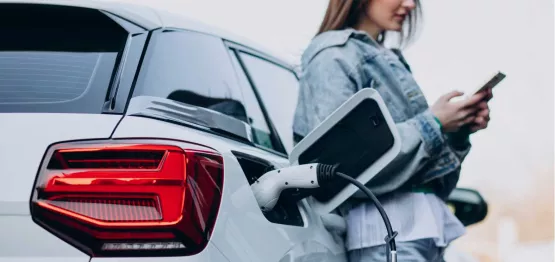
Fulli electric charging does much more than recharge your batteries!
Fulli makes electric recharging easy, recharging at over 480,000 stations, so you can drive with a clear head wherever you go.
Fulli electric charging does much more than recharge your batteries!
Fulli makes electric recharging easy, recharging at over 480,000 stations, so you can drive with a clear head wherever you go.
Have a recharge card that gives access to the charging station. The majority of charging stations still don't have a credit card reader, so you'll need to bring a recharge card with you. However, some kiosks allow you to pay by credit card or QR CODE.
The “Type 2” plug standard is in the majority in Europe, although some terminals still have Type 3C plugs. For fast recharging, check the standard available between COMBO 2 and CHAdeMO. In doubt? Check the cables on our charging station map
If the signal is good, the terminal is unlocked. First connect the cable to the terminal, then open the hatch and connect the same cable to your vehicle. When you leave, remember to pass your card over the terminal again to unlock the cable.
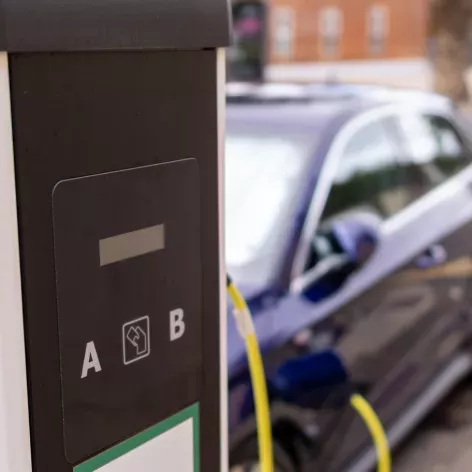
Don't be fooled: if an operator indicates that no subscription or commission is taken from the top-up, it's because the commission is included in the price per kWh (on average 10% commission). With the Fulli Elec offer, there are no surprises. You pay €2.50/month, regardless of the number of top-ups you make.
Public charging stations have become increasingly common in recent years, whether at freeway stations, on the road or in hypermarket parking lots... But beware of operator prices! Charging prices vary from one operator to another. They can be as much as double. You can check the rates of the different operators on the Fulli app.
Over 80% of electric car owners charge at home. However, if you charge outside, the price will depend on where you charge. On public land, charging may be free, but it can also cost up to €0.30/kWh. On average, public charging stations charge €0.25/kWh. On freeways, the rate is higher, at just over €0.50 per kWh.
You're probably familiar with it at home, but energy prices also vary according to the time of day you charge. It's not uncommon for operators to charge different rates for peak and off-peak hours. Off-peak hours (night hours) are times when there is less demand for electricity, which generally translates into a lower cost per kWh. By charging during off-peak hours, you can save up to 50% on the total cost of the charge. Be careful, too, with parking times: you'll avoid having to park your car for too long. Operators sometimes apply a charge beyond a certain number of minutes.
Stay connected !